
Visit Us
684 N Mt Juliet Rd
Mt. Juliet, TN 37122
If you’re dealing with a dental issue in Mount Juliet, TN, there’s no need to wait in discomfort. Whether you require multiple dental implants or a simple extraction, oral surgery can correct issues and set your smile up for long-term success.
Why Might I Need Oral Surgery?
We get it – the term “oral surgery” can sound serious, uncomfortable, and expensive. But that isn’t always the case. Many patients undergo oral surgery to address common conditions, such as sleep apnea or tooth loss. Oral surgery can provide a solution to long-standing dental issues and keep them from worsening in the future. Plus, opting for oral surgery restores the form and function of your mouth and sets your oral health back on track. It can be difficult to know if oral surgery is right for you, so reach out to your doctor to get the conversation started.

Cutting-Edge Technology
Our CBCT scanner takes a 3D x-ray of your mouth, teeth, and jaw, allowing our team to plan the most precise procedure possible.

Keeping Care Affordable
To keep your oral surgery procedure in line with your budget, our friendly team is here to walk you through your options and find a plan that works for you.
Free Consultation
Healthcare Lending Options
Discounts Available
Soothing Sedation
You deserve to feel relaxed and pain-free throughout your visit. That’s why we offer nitrous oxide to ensure a comfortable experience.
The Benefits Of Oral Surgery
Restore Your Smile’s Function
Oral surgery can help you chew, smile, and laugh with natural ease again.
Get You Out Of Discomfort
Dealing with a tender tooth or achy jaw? A surgical procedure can find a solution to your discomfort.
Prevent Further Issues
By treating the root of your dental issue, we can keep dental problems from worsening down the road.

The Oral Surgery Treatment Process
Treatment Planning & Preparation
Your oral surgeon will walk you through your treatment, the surgery related to the treatment plan, what to expect on the day of the procedure, and how to prepare. They work with IV sedation and general anesthesia regularly and will recommend the right sedation option based on your surgery and personal needs.
Day Of Surgery
You will need to arrange for someone to drive you to and from your appointment on the day of your surgery. Your oral surgeon will make specific recommendations, but you should plan for a day off and have someone be with you for the rest of the day after your surgery.
Healing & Aftercare
Give yourself a few days to heal after surgery. Swelling and discomfort for the next 24 hours are normal. Keep your head elevated and use ice packs to reduce swelling. Take any medications as directed by your oral surgeon. Stick to a soft food diet for the first 48 hours after surgery.
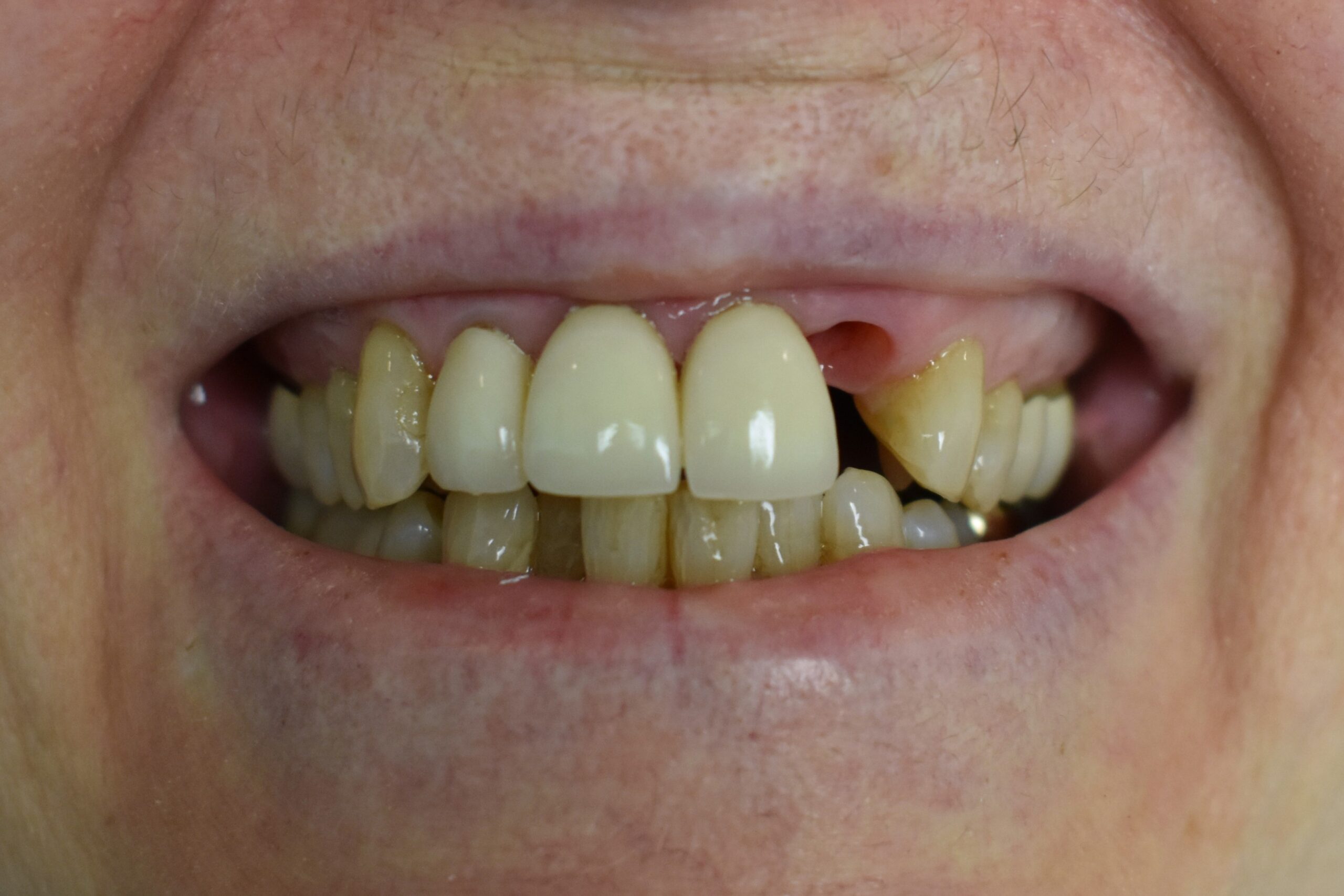
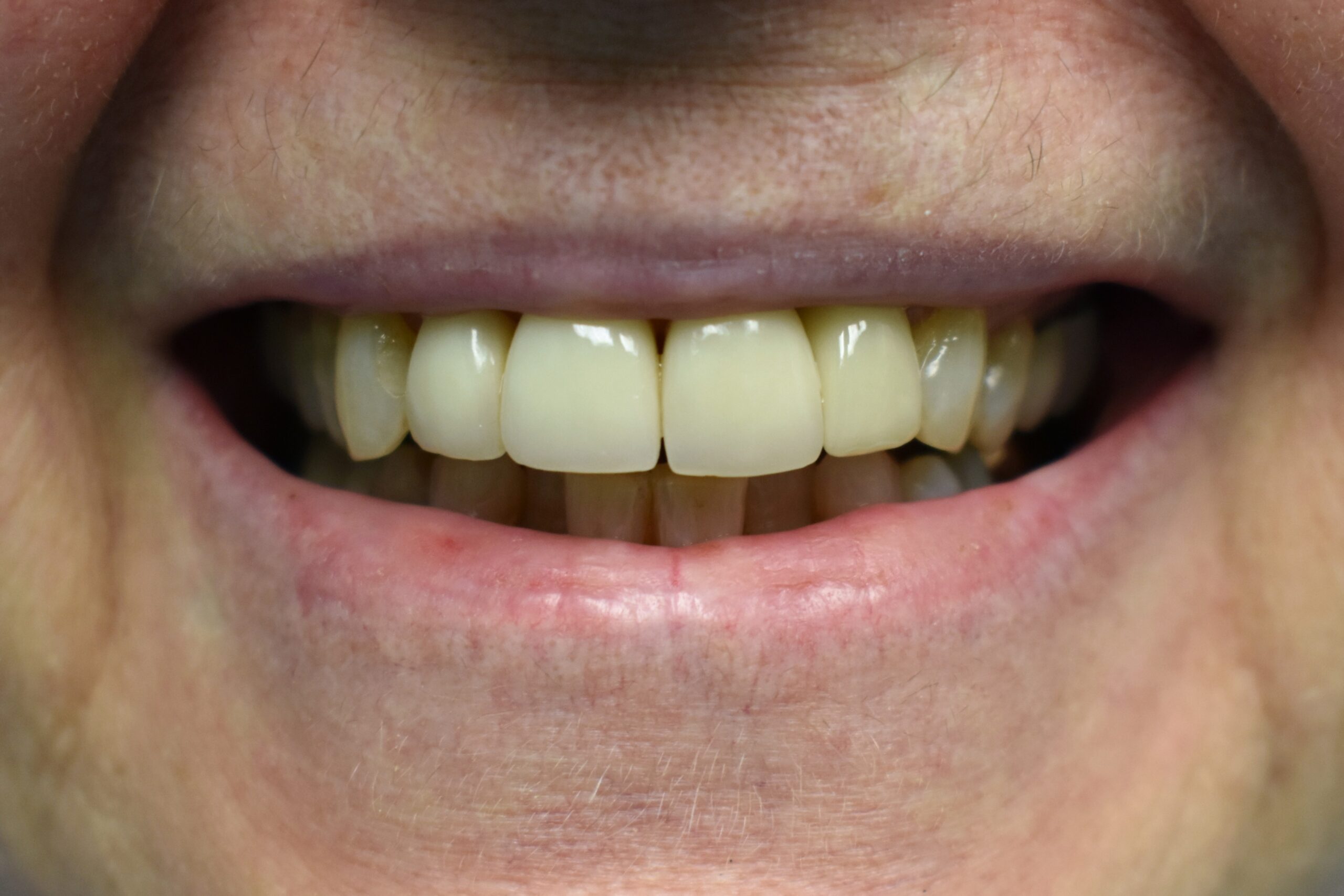
Before & Afters
A Smile Is Worth 1,000 Words
See real patient success stories.
FAQs
Frequently Asked Questions
Check out these frequently asked questions, or call us to speak with our team.
How Long Does Oral Surgery Take?
It completely depends on the procedure and the complexity of your case. Simpler procedures, such as tooth extractions, can take minutes; more time may be needed to properly sedate you. Complex procedures, like placing dental implants for a full arch of teeth, can take hours. Your oral surgeon will give you a thorough explanation of the procedure, tell you how to properly prepare, and let you know what to expect on the day.
How Much Does Oral Surgery Cost?
The cost of oral surgery varies from procedure to procedure. Similar to time commitment, simpler surgeries will be less expensive, and complex surgeries will be more expensive. If your dental and/or medical insurance does not cover your oral surgery, consider loans or a payment plan to get the care you need.
Is Oral Surgery Covered By Insurance?
Possibly, depending on your insurance provider and coverage. You should talk to your dental and medical insurance providers to see if your recommended oral surgery is covered. It may also be worthwhile to file your claim with both your dental insurance provider and your medical insurance provider, since the surgery may qualify as a medically necessary procedure.