
Visit Us
684 N Mt Juliet Rd
Mt. Juliet, TN 37122
When problematic teeth are causing you discomfort, you have options. While preserving your natural teeth is always the goal, sometimes extractions are the best way to keep your smile healthy in Mount Juliet, TN.
Why Might I Need An Extraction?
Problematic teeth negatively impact your overall oral health. Our team prioritizes preserving your natural teeth, but sometimes an extraction is the best way to save your smile. There are various reasons for needing a tooth extracted. Wisdom teeth often cause discomfort that can be relieved through extraction, and some advanced restorative procedures, like dental implants, require the removal of unhealthy teeth. Using gentle techniques and local anesthesia, tooth extractions can be quick and painless.

Get To The Root Of The Problem
With digital x-rays, we get high-resolution images of your teeth that allow us to make more accurate diagnoses. When you’re in discomfort or experiencing an emergency, we can see why the tooth is reacting and if an extraction is needed.

Get Your Implant Prep For Free
Sometimes extractions are a necessary part of getting dental implants. Instead of tacking on the cost of extractions to your bill, we’ll cover the cost for your implant prep procedure. Let’s get your smile back to a healthier place.
In Preparation For Dental Implants
Nitrous Oxide For Maximum Comfort
We know extractions can feel scary, so let’s take the fear out of your treatment. Sedation can mitigate your anxiety and keep you calm during your procedure. Ask about our sedation options like nitrous oxide, and we’ll help find a solution that works for you.
The Benefits Of Dental Extractions
Relieves Discomfort
If you're dealing with discomfort from wisdom teeth or severe tooth damage, an extraction offers quick relief and restores your comfort.
Treatment Prep
Extractions pave the way for restorative treatments, such as dental implants or dentures, ensuring a strong foundation for long-term dental solutions.
Better Oral Health
Removing damaged or problematic teeth helps protect your oral health, preventing further complications and promoting overall well-being.

The Extraction Process
Treatment Plan
Whether you need a single extraction or several teeth removed in preparation for further treatments, your personalized treatment plan will be tailored to your specific needs. Your dentist will review all available options with you, ensuring you’re fully informed before moving forward in the way that feels most comfortable for you.
Procedure Prep
After thoroughly cleaning and sanitizing the site, your dentist will numb the area with local anesthesia to keep you comfortable throughout the process.
Extraction & Healing
The extraction itself typically takes just a few minutes. Once the tooth is removed, your dentist will clean the area and, if needed, suture the extraction site. Recovery usually lasts one to two weeks, and you’ll receive detailed aftercare instructions for a smooth, speedy healing process.
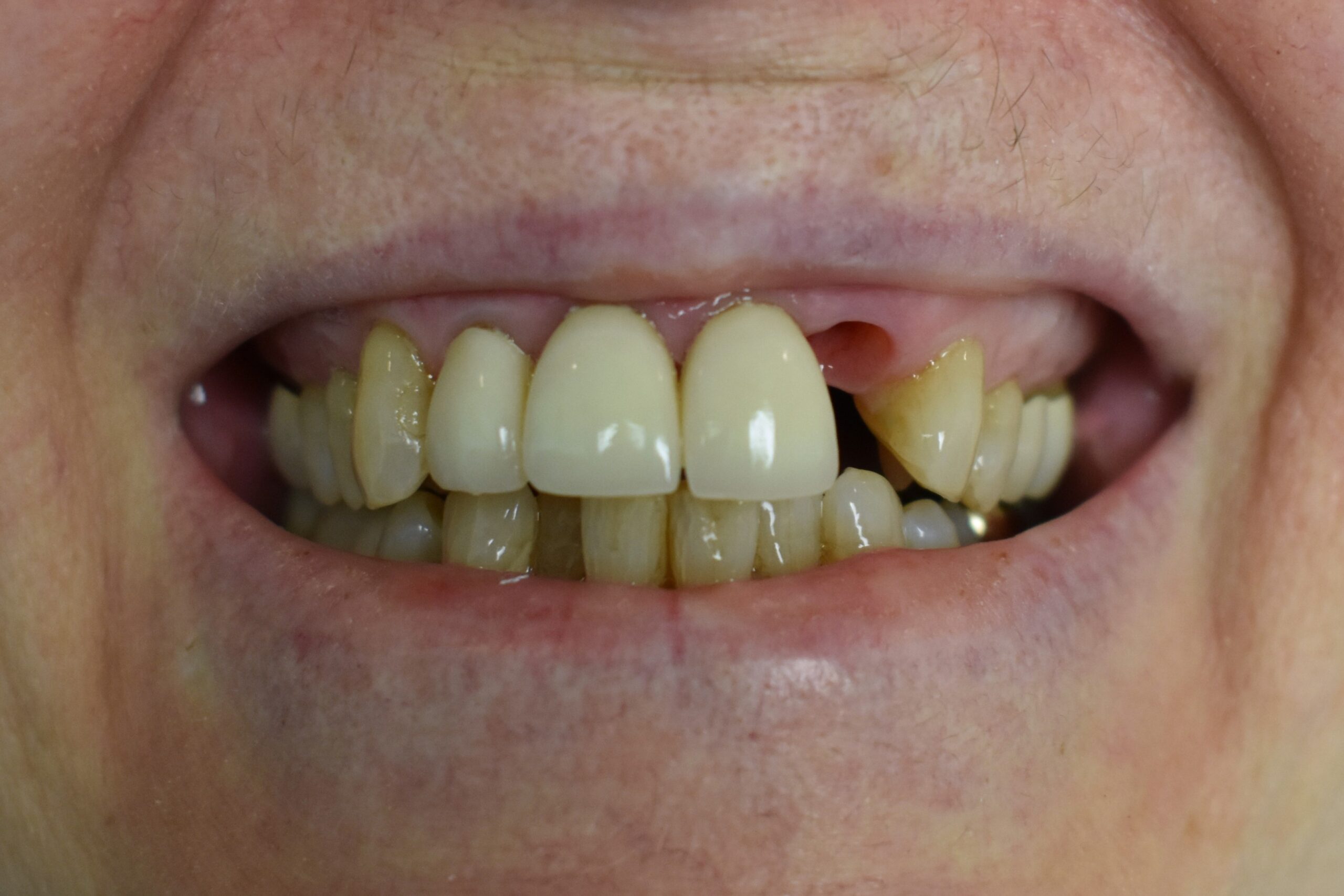
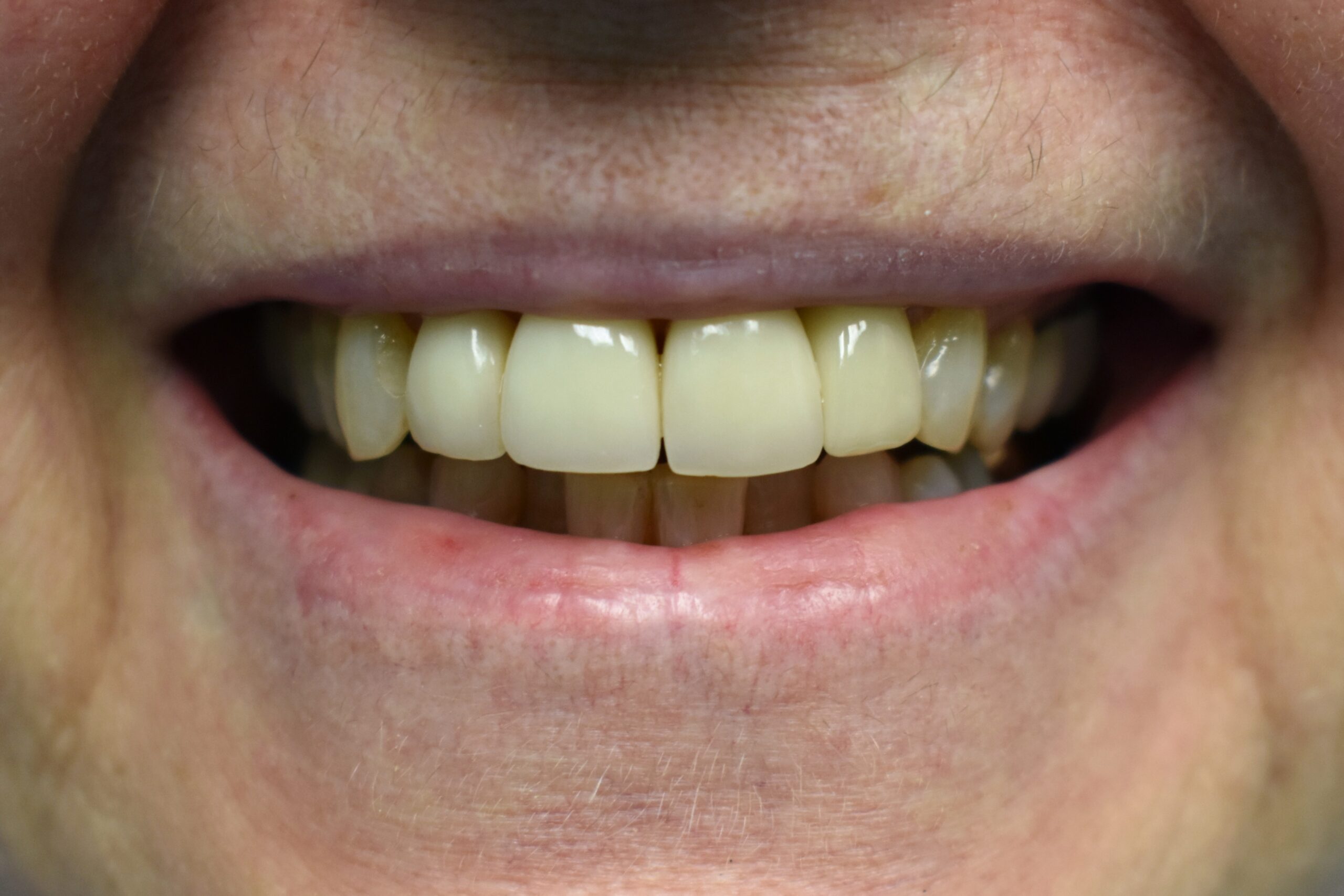
Before & Afters
A Smile Is Worth 1,000 Words
See real patient success stories.
FAQs
Frequently Asked Questions
Check out these frequently asked questions, or call us to speak with our team.
When Is Tooth Extraction Necessary?
Tooth extractions may be needed for patients dealing with extremely severe cavities, significant damage from trauma, or a tooth infection that can’t be resolved with root canal therapy. While most teeth can be saved through crowns or root canals, sometimes extraction is the only viable option.
The most common reason for tooth extractions is improper wisdom teeth growth. If your dentist determines that your wisdom teeth are impacted or not erupting correctly, extraction may be recommended to protect the health of your other teeth. Not everyone requires wisdom teeth removal, so it’s important to consult your dentist to determine if yours pose a problem.
Severe periodontal disease that has loosened a tooth from the gums may also necessitate an extraction. In these cases, your dentist may recommend removing the tooth to prepare for a more secure and lasting replacement option, such as dental implants or dentures.
Will I Be In Discomfort After My Extraction & How Long Does It Take To Heal?
Thanks to numbing and modern techniques, you won’t experience discomfort during or immediately after your extraction. However, within a few hours, symptoms like discomfort, swelling, bruising, and bleeding may develop. These symptoms usually peak within the first two to three days but will gradually subside as healing progresses. It’s best to stick to soft foods for five to seven days after your procedure to avoid aggravating the area.
Full healing generally takes one to two weeks. By following the recovery instructions provided by your dentist, you can help speed up the healing process. If you experience significant discomfort or discomfort beyond one to two weeks, contact your dentist for a follow-up evaluation.
Are Extractions Covered By Insurance?
Extractions required for impacted wisdom teeth, or to remove severely damaged or decayed teeth, are typically covered by insurance. To understand the specifics of your coverage, we recommend contacting your insurance provider directly for more details.
Will I Need A Bone Graft After My Extraction?
In many cases, we may recommend a bone graft following an extraction. A ridge preservation graft can fill the gap left by the extracted tooth, helping to maintain the strength and structure of your jawbone. This not only protects against bone loss but also creates a stable foundation for a potential dental implant in the future.